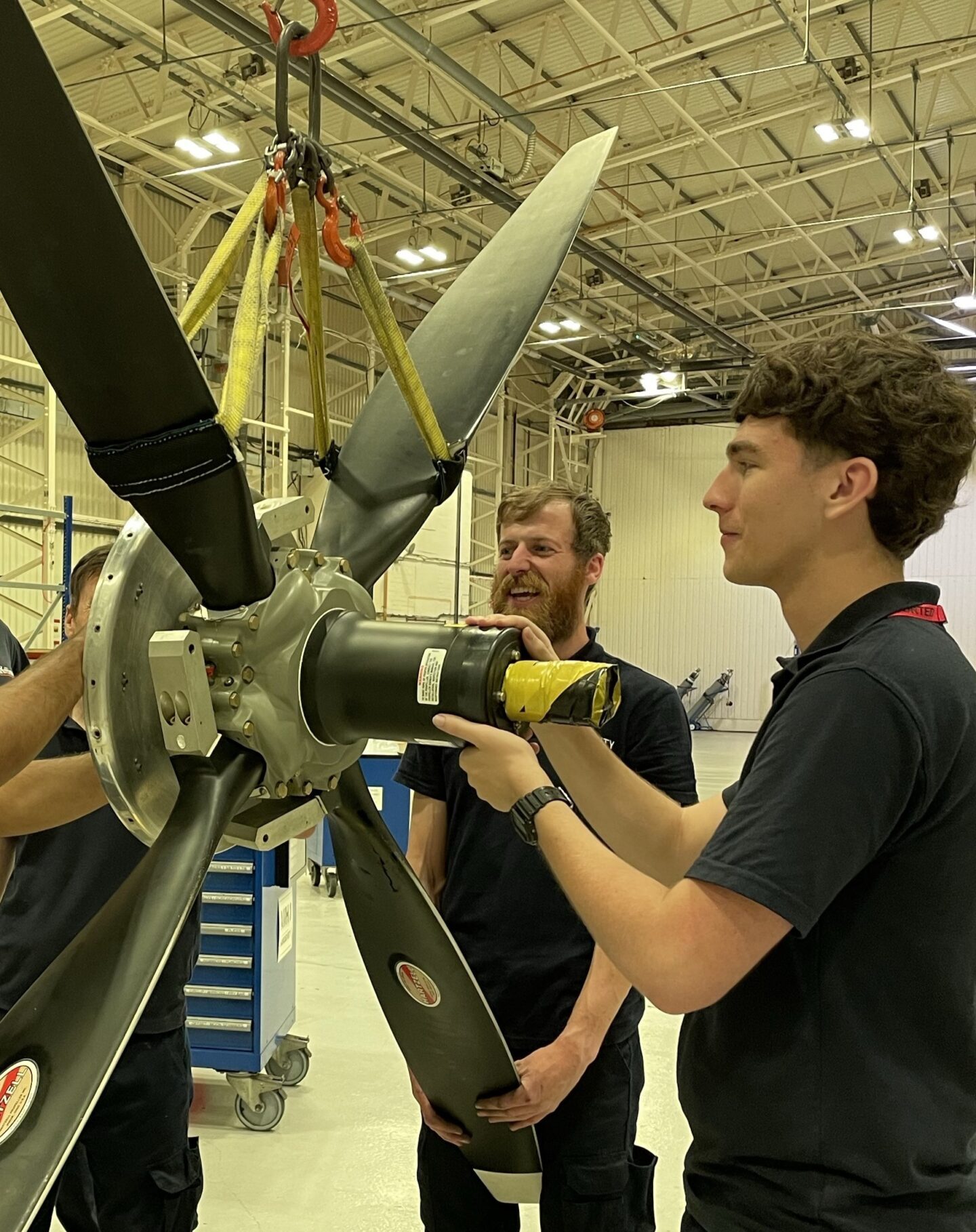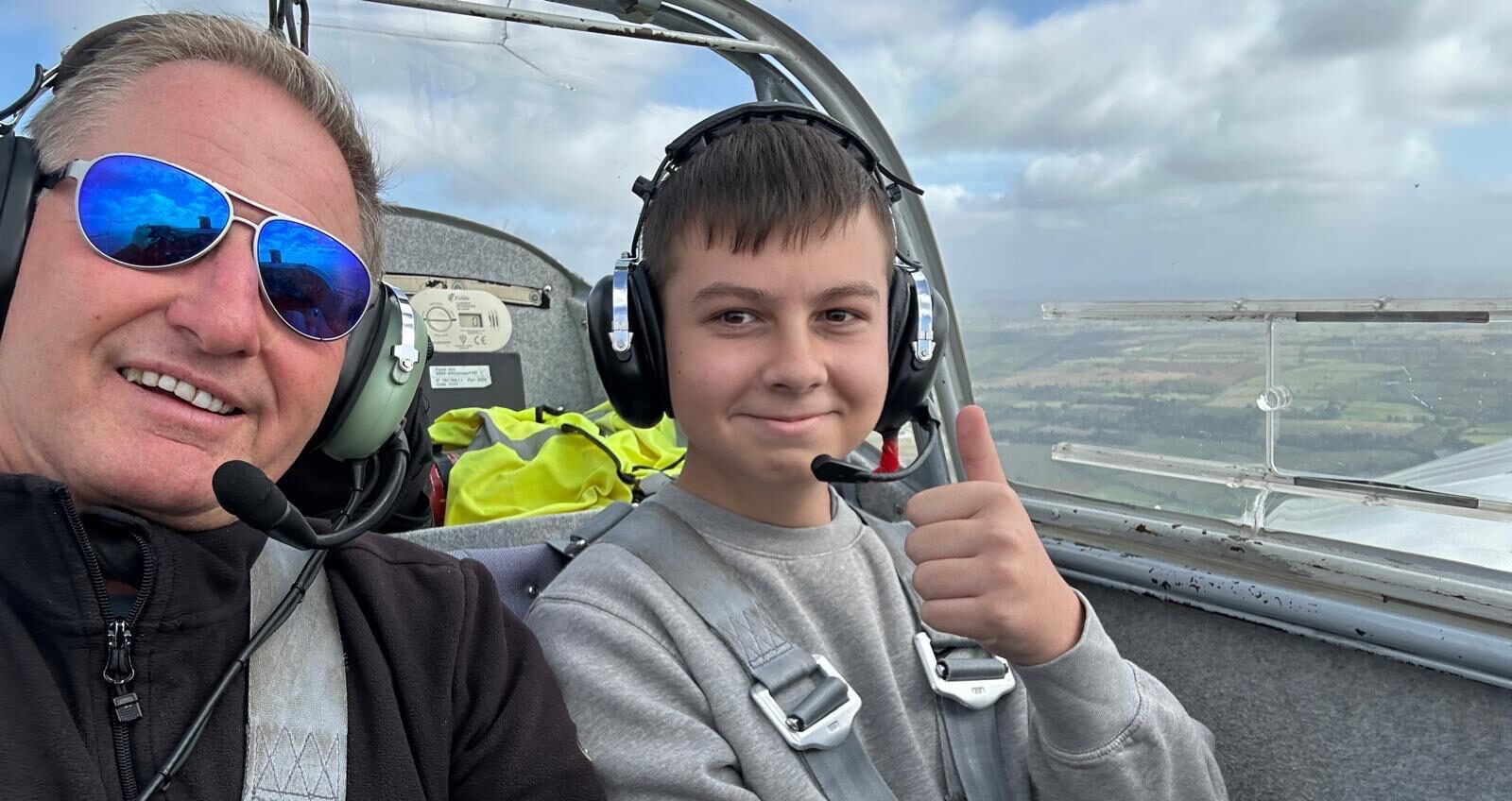
For many young people, a career in aviation represents excitement, challenge and opportunity. Whether you’re working towards your first solo flight, studying engineering, building hours towards a commercial licence, or applying for your first role in the aerospace sector, the journey can be incredibly rewarding. But it can also be demanding.
The ambition, dedication and perseverance required to succeed in aviation often bring pressures that are easy to overlook. Most of us know we should get enough rest, take breaks when we need them and speak up when we’re struggling. However, when you’re focused on passing exams, securing opportunities, building experience or progressing towards your career goals, those basic habits can quickly fall down the priority list.
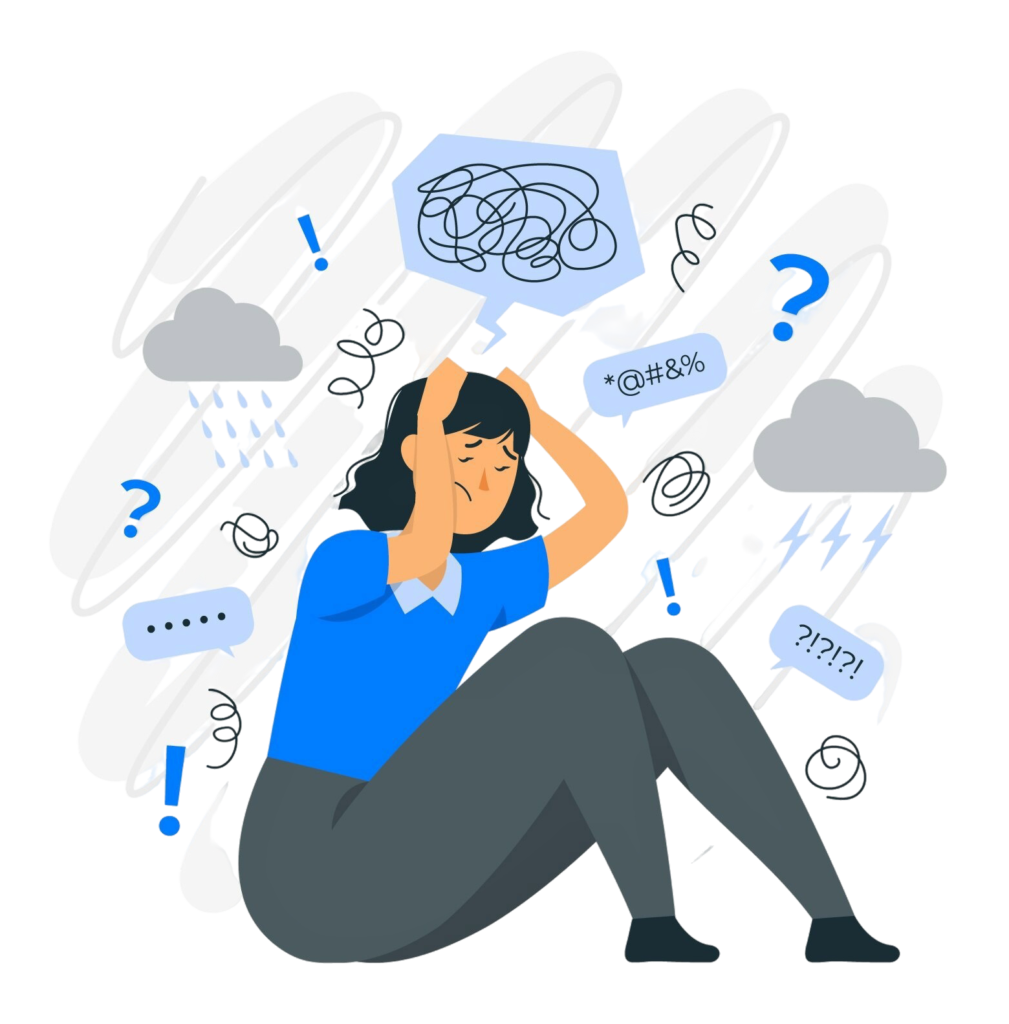
A student pilot preparing for a skills test may spend every spare hour revising and worrying about performance, while an engineering student might be balancing coursework, project deadlines and applications for placements or apprenticeships. In both cases, dedication can gradually become exhaustion if your health and wellbeing take a back seat.
As conversations around mental health become more open across society, it’s important that the next generation of aviation professionals recognise that looking after their health is just as important as developing their technical skills. After all, a successful career isn’t built solely on talent and determination. It’s also built on maintaining the resilience, confidence and good health needed to sustain long-term success.
the pressure to perform
Many young people entering aviation are highly motivated and driven. They set high standards for themselves, work hard to achieve their goals and are often managing multiple responsibilities at once.
You might be balancing studies alongside part-time work, saving for flight training, preparing for exams, applying for scholarships, volunteering, or trying to gain valuable industry experience. The desire to succeed can be a powerful motivator, but when left unchecked, it can also lead to unhealthy levels of stress. Mental health organisations have highlighted that young people can be particularly vulnerable to stress during periods of significant academic, financial and personal pressure.¹˒²
In an industry known for precision and professionalism, some young people may feel pressure to constantly perform at their best. Over time, this can affect confidence, motivation and their overall health and wellbeing.
Recognising the signs of burnout
Burnout doesn’t happen overnight. It often develops gradually following a prolonged period of stress, pressure or excessive workload.
For young students and early-career professionals, burnout may look like:
- Feeling constantly exhausted, even after rest.
- Losing motivation for activities you once enjoyed.
- Difficulty concentrating during study or training.
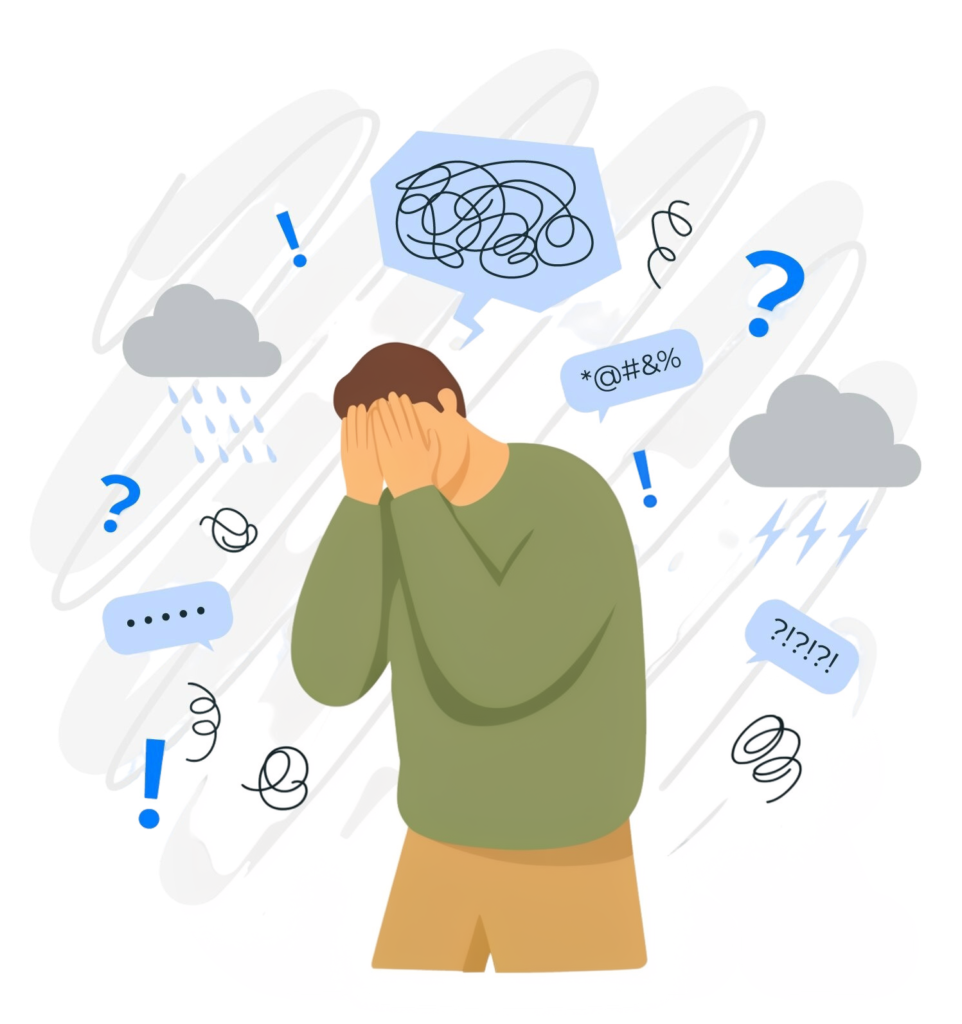
- Becoming frustrated or irritated more easily than usual.
- Feeling overwhelmed by responsibilities.
- Increased anxiety about performance or future career prospects.
- Struggling to switch off from work, study or training commitments.
- Experiencing a loss of confidence in your abilities.
Many of these feelings can be mistaken for simply ‘working hard’ or pushing through challenges. However, recognising the signs early allows you to take steps before they begin affecting your health and wellbeing, performance or enjoyment of the journey.¹˒³
aviation is a marathon, not a sprint
One of the biggest misconceptions in aviation is that success comes from constantly pushing harder than everyone else. In reality, aviation careers are built over time.
Whether you’re a pilot, engineer, air traffic controller, technician, designer or other aerospace professional, developing the skills and experience needed to succeed takes years of learning, practice and perseverance. Along the way, there will be mistakes, setbacks and moments when things don’t go to plan. These experiences are not signs of failure, but opportunities to learn, grow and build resilience.
Trying to do everything at once can lead to exhaustion, reduced performance and a loss of motivation. A newly qualified pilot may feel pressure to take on every flying opportunity available, while a graduate engineer may be balancing a demanding workload with professional development and new responsibilities. While ambition is important, constantly operating at full capacity is rarely sustainable.
Looking after your physical, mental and emotional health is not a distraction from success; it is an essential part of it. Taking time to rest, recover and maintain balance helps us perform at our best, both now and throughout our careers.
The goal is not just to reach the next milestone, but to build a fulfilling, sustainable career and enjoy the journey along the way.
Supporting yourself
Prioritising your health and wellbeing doesn’t need to involve major changes. Often, small habits and adjustments can make a significant difference over time. When training, studying or building a career in aviation, it’s easy to focus all your energy on the next goal. However, looking after your physical, mental and emotional health can help you stay motivated, perform at your best and build a more sustainable career.
create realistic expectations
Aviation attracts driven and ambitious people, but expecting yourself to progress at maximum speed all the time can create unnecessary pressure.
Set ambitious goals, but focus on manageable steps and celebrate progress along the way. Completing a qualification, gaining experience, mastering a new skill or receiving positive feedback are all meaningful achievements that contribute to long-term success.
Remember that career progression is rarely a straight line. Everyone develops at their own pace, and setbacks are often valuable opportunities for learning and growth.
maintain balance
When you’re passionate about aviation, it can be tempting to let it become your entire identity. However, maintaining interests and activities outside work, study or training can help provide perspective during challenging periods.
Whether it’s spending time with friends and family, playing sport, pursuing creative hobbies or simply making time to switch off, these activities can help you recharge and return to your goals with renewed focus and energy.
build a support network
No one succeeds in aviation alone. Throughout your career, there will be people who can offer guidance, share experiences and provide encouragement when challenges arise.
Building relationships with instructors, mentors, colleagues, fellow students and industry professionals can help you learn from others and navigate the highs and lows of a career in aviation. Strong social connections are widely recognised as an important factor in maintaining positive mental health and overall wellbeing.¹
Don't be afraid to ask
for help early on
Many people feel they need to solve problems on their own, particularly in high-performance environments. However, small concerns can become much harder to manage if ignored for too long.
If you’re struggling with stress, anxiety, workload or personal challenges, speaking to someone early can help you access the support you need before the issue begins to affect your health, performance or confidence. Healthcare providers and mental health charities emphasise the benefits of seeking support before difficulties escalate.²˒⁵
look after your physical,
mental and emotional health
Your physical, mental and emotional health are closely connected. Looking after one often supports the others.
Physical health can be supported through good sleep, regular exercise and a balanced diet. Mental health can benefit from managing stress, establishing healthy routines and taking time to rest. Emotional health involves recognising how you’re feeling, processing difficult experiences and allowing yourself space to recover from setbacks.
In an industry where performance and safety are paramount, caring for your overall health is not a distraction from your goals. It’s a foundation that helps you perform consistently, make sound decisions and sustain a long and rewarding career.
looking out for others
Looking after health and wellbeing is not solely an individual responsibility. The environments in which we work, study and train can have a significant impact on how supported, valued and comfortable people feel.
Aviation relies on teamwork, trust and effective communication. Whether you’re in a flying club, classroom, workshop, office or operational environment, taking the time to support those around you can help create a healthier and more inclusive

culture. Important points to consider when looking out for others include:
check in regularly
People don’t always show when they’re struggling. A simple conversation or a quick check-in can provide an opportunity for someone to talk about how they’re feeling and remind them that they don’t have to manage challenges alone.
encourage open conversations
Creating an environment where people feel comfortable discussing stress, pressure and setbacks can help reduce stigma around mental health. Open conversations can also make it easier for individuals to seek support before problems become more serious.
listen without judgement
Sometimes, the most valuable thing you can do is listen. Avoid jumping straight to solutions or assumptions, and instead give people the space to share their experiences and concerns in their own way.
recognise the signs
Changes in mood, motivation, behaviour or performance can sometimes indicate that someone is finding things difficult. While it’s important not to make assumptions, being aware of these signs can help you identify when a colleague, friend or fellow student may benefit from additional support.
signpost support
You don’t need to have all the answers. If someone is struggling, helping them find the right support, whether through a manager, mentor, wellbeing service or professional organisation, can be an important first step.
lead by example
One of the most effective ways to build a supportive culture is to demonstrate healthy behaviours yourself. Taking breaks, maintaining boundaries, speaking openly about challenges and seeking support when needed can help show others that prioritising health is not a weakness, but an important part of personal and professional development.
Encouraging open conversations, listening without judgement and helping others access support can contribute to healthier communities, learning environments and workplaces.³˒⁴
Sometimes, a simple conversation can be the first step towards helping someone feel seen, supported and better equipped to navigate the challenges they are facing.
Useful Mental Health Resources
for Young People in the UK
The NHS provides information and support for children, young people and adults experiencing mental health challenges. It also signposts local services, self-help resources and guidance on accessing professional support.²˒⁶
Website: https://www.nhs.uk/mental-health/
Mind offers practical information and support covering topics such as stress, anxiety, confidence, wellbeing and accessing mental health services. Its dedicated resources for young people can be particularly useful for students and those starting their careers.¹
Samaritans provides free, confidential emotional support 24 hours a day, 365 days a year for anyone who needs someone to talk to.³˒⁴
Phone: 116 123
Website: https://www.samaritans.org
YoungMinds provides mental health information, self-care guidance and support specifically designed for young people.⁵˒⁶
Website: https://www.youngminds.org.uk
SHOUT is the UK’s free, confidential text messaging service, available 24/7 for anyone struggling to cope or experiencing a mental health crisis.⁶˒⁸
Text: SHOUT to 85258
Website: https://giveusashout.org
The Mix offers free support for people under 25, including advice on mental health, education, employment, relationships and wellbeing.⁶˒⁷
Website: https://www.themix.org.uk
create a healthier aviation community
The future of aviation depends on talented, passionate and resilient people. By talking openly about mental health, recognising the signs of burnout and supporting one another, we can help create an industry where everyone has the opportunity to thrive.
If you’re pursuing a career in aviation, aerospace or space, it’s worth remembering that your journey is unique. There will be successes to celebrate, challenges to overcome and moments when things don’t go quite to plan. That’s all part of the process.
While qualifications, experience and technical skills are important, they are only part of what makes a successful career. Looking after your physical, mental and emotional health will help you navigate setbacks, make the most of opportunities and continue progressing towards your goals for years to come.
We are passionate about helping young people unlock opportunities across aviation and aerospace. Just as important, however, is ensuring that those pursuing these opportunities feel supported, confident and equipped to look after themselves along the way.
Be ambitious. Work hard. Embrace every opportunity you can. But remember to be as invested in your own health and wellbeing as you are in your career. Because aviation isn’t just about reaching your destination. It’s also about enjoying the journey.
references
- Mind (2026) Mental health and wellbeing information for young people. Available at: https://www.mind.org.uk/for-young-people/
- NHS (2026) Mental health for children, teenagers and young adults. Available at: https://www.nhs.uk/mental-health/children-and-young-adults/
- Mind (2026) Mental health helplines, text and online chat. Available at: https://www.mind.org.uk/information-support/guides-to-support-and-services/seeking-help-for-a-mental-health-problem/mental-health-helplines/
- Samaritans (2026) Young people: Emotional health resources. Available at: https://www.samaritans.org/how-we-can-help/schools/young-people/
- YoungMinds (2026) Mental health support for young people. Available at: https://www.youngminds.org.uk
- NHS (2026) Mental health charities for children and young people. Available at: https://www.nhs.uk/mental-health/children-and-young-adults/mental-health-support/mental-health-charities/
- The Mix (2026) Support and advice for under-25s. Available at: https://www.themix.org.uk
- SHOUT (2026) The UK’s free, confidential 24/7 text support service. Available at: https://giveusashout.org