Aviation thrives on different ways of thinking. Curiosity, focus, creative problem-solving, and the ability to see patterns others might miss. Many neurodivergent young people naturally bring these strengths, yet aviation pathways can still feel difficult to access.
Today, we’ll explore how the industry can better support neurodivergent young people to discover the wide range of careers available across aviation. From engineering and air traffic control to operational and technical roles.
With organisations like The Air League working alongside initiatives such as Propel Aviation from The Mason Foundation, new opportunities are emerging to help talented young people gain experience, build confidence, and take their first steps into an industry that needs their strengths.
Why Neurodivergent Talent matters in aviation
Aviation has always relied on people who think carefully, spot patterns quickly, and remain focused under pressure. Many of these qualities are often associated with neurodivergent thinking styles. From noticing fine technical details to approaching complex problems in original ways, neurodivergent individuals can bring valuable strengths to an industry that depends on precision and innovation.
Yet many young people still feel that aviation is difficult to access, especially if traditional learning environments haven’t reflected how they think or process information. When pathways are designed with flexibility, practical experience, and clear guidance, more young people can see where their abilities fit.
Aviation careers: far more than the cockpit
When people think about aviation, becoming a pilot is often the first career that comes to mind. While flying is an exciting pathway, it represents only one part of a much larger industry. Aviation relies on a wide network of professionals working behind the scenes to keep aircraft moving safely and efficiently.
For neurodivergent young people, this variety matters. Different roles require different strengths, and many aviation careers suit people who enjoy structured thinking, technical challenges, or working with systems and data.
Some of the many pathways available include:

Aircraft engineering and maintenance:
Inspecting, repairing, and maintaining aircraft to ensure they meet strict safety standards.

Aerospace design and development:
Creating and improving aircraft systems, materials, and technologies.

Air Traffic Control:
Coordinating aircraft movements and maintaining safe distances between flights.

Flight Operations and planning:
Analysing routes, weather patterns, and fuel requirements to support efficient journeys.

Safety and Compliance Roles:
Reviewing procedures and identifying ways to improve operational safety.

Operational and Office-based roles:
Supporting aviation organisations through project management, communications, data analysis, and logistics.
One of the key goals of The Air League is to help young people understand this full range of opportunities. Through hands-on experiences, workshops, and career guidance, new initiatives like Propel Aviation give neurodivergent young people the chance to explore where their skills and interests might fit within the aviation world.
This programme aims to support 30 young people to explore high-skilled careers through:
-
Hands-on aviation experiences
-
Monthly workshops
-
Strength-based CVs and interview practice
what meaningful support looks like for neurodivergent young people
Opening doors into aviation is only part of the picture. For neurodivergent young people, the right support can make the difference between simply learning about a career and feeling confident enough to pursue it.
Hands-On Experiences That Bring Careers to Life
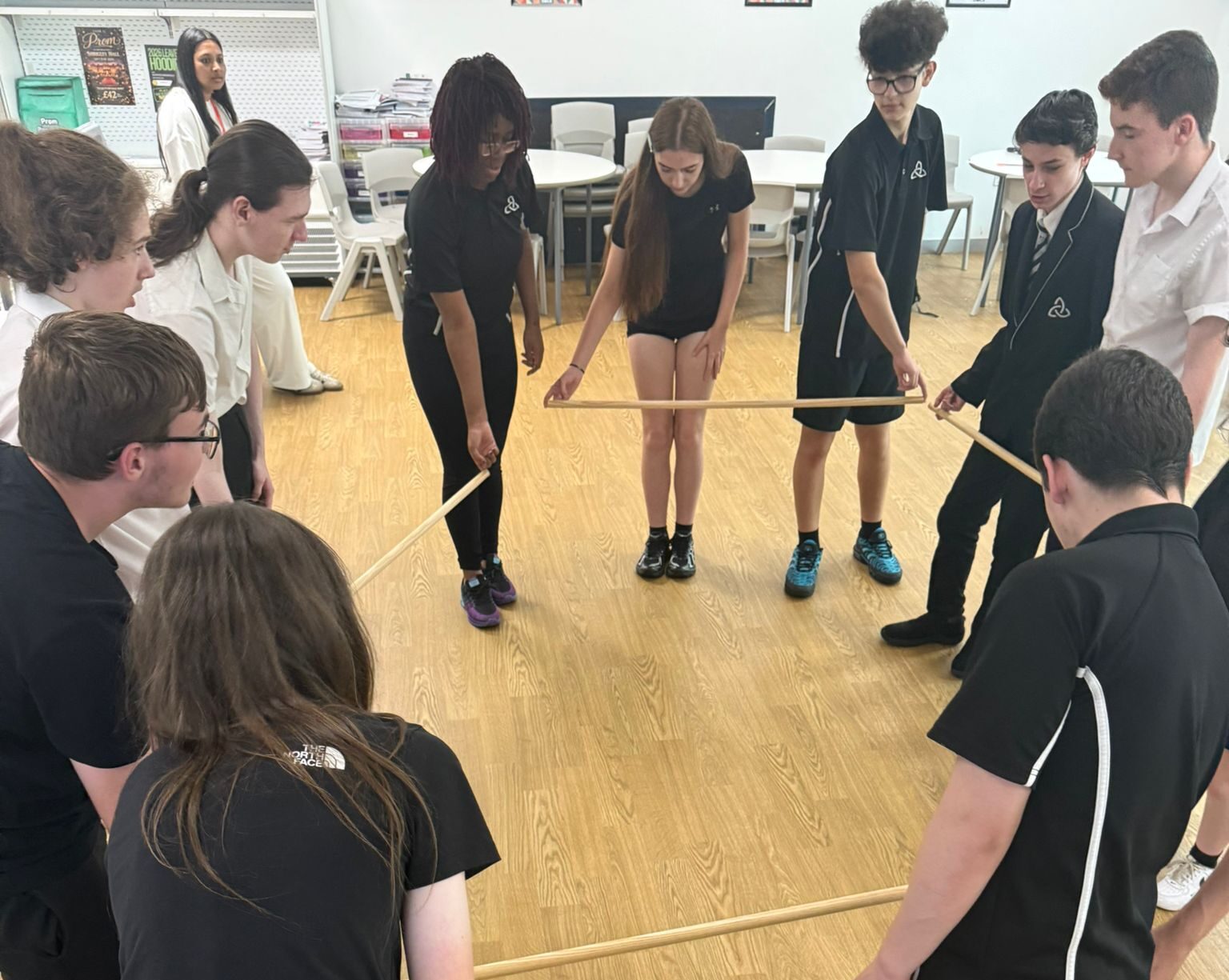
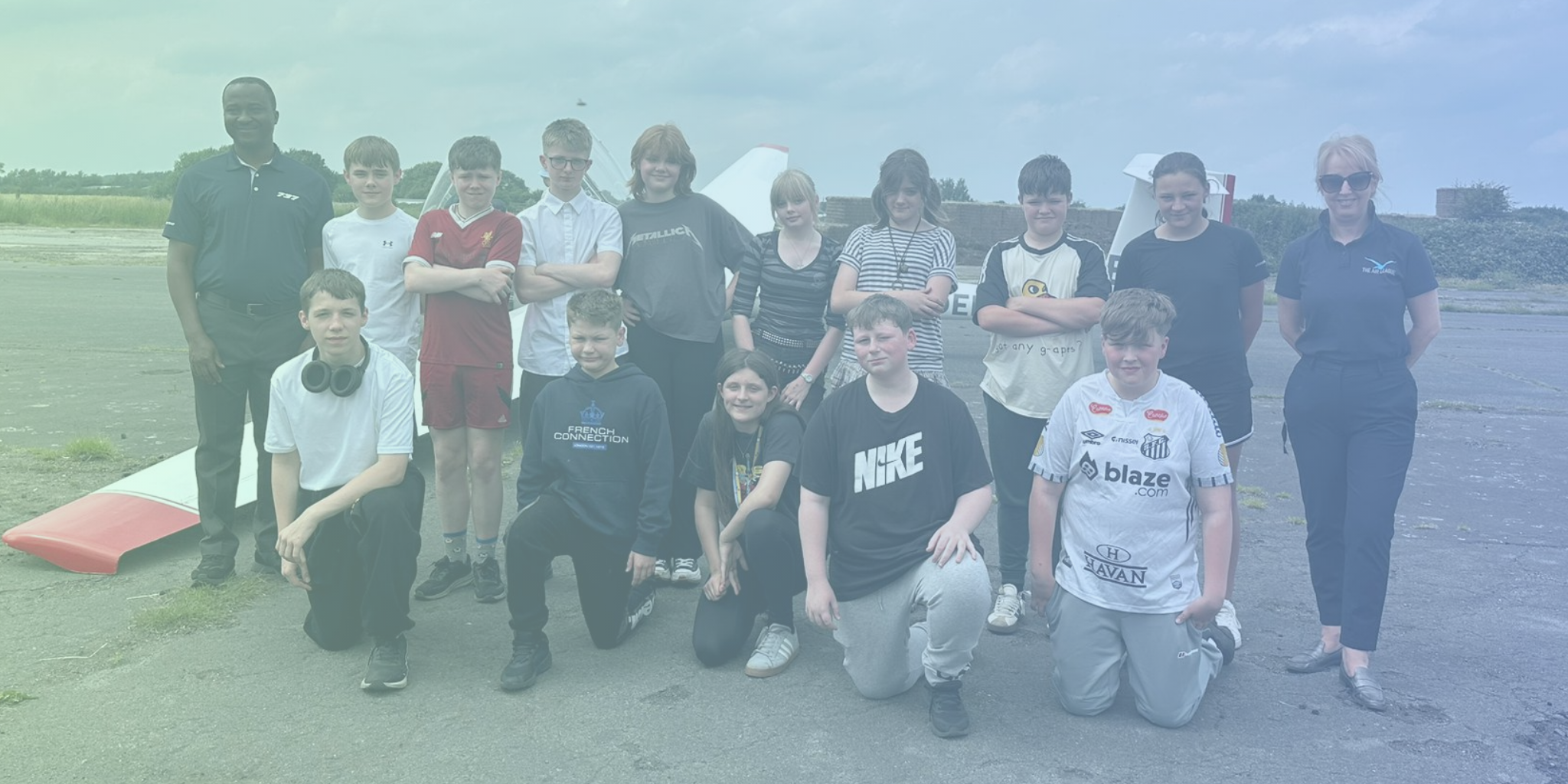
Many young people find it easier to understand aviation when they can see and experience it directly. Practical activities, such as aviation workshops, simulator sessions, or visits to aviation environments, allow participants to explore how aircraft systems work and how different roles connect. These experiences can make complex career pathways feel more real and achievable.
Strength-based career preparation
Traditional CVs and interviews often focus heavily on academic pathways or conventional career routes. Strength-based approaches help young people identify the skills they already have, such as problem-solving, persistence, or attention to detail. Workshops that focus on building CVs, practising interviews, and recognising individual strengths can help neurodivergent participants present themselves with greater confidence.
Mentorship and Visible Role Models
Seeing people who share similar experiences can be powerful. When neurodivergent professionals speak openly about their journeys in aviation, it helps challenge the idea that there is only one “type” of person who belongs in the industry. Mentors, instructors, and programme leaders can provide guidance, encouragement, and practical advice as young people explore potential career paths.
This is reflected in the work of Simon Burnham, a neurodivergent pilot, simulator instructor and mentor. Through his platform, Flightdeck One Tuition, he supports aspiring pilots who may not fit traditional learning models, breaking down complex theory and connecting it to real flying experiences.
His approach highlights a simple but powerful truth: it’s not a lack of ability that holds people back, but often the way they’re taught. Here at The Air League, we’re proud to be partnering with Simon to offer a scholarship for a neurodivergent individual, giving them the tailored support they need to succeed in their training.
Greater understanding through neurodiversity awareness
Support also depends on the environments young people enter. When educators, mentors, and organisations develop a stronger understanding of neurodivergent thinking styles, they are better equipped to create inclusive learning spaces. Training programmes, such as neurodiversity awareness training, can help teams recognise different communication styles, adjust teaching approaches, and create opportunities where more young people feel able to thrive.
How the aviation community can help open doors
Supporting neurodivergent young people in aviation isn’t something one organisation can do alone. It takes a wider community of professionals, mentors, educators, and volunteers who are willing to share their knowledge and create welcoming pathways into the industry.
One powerful way to contribute is through volunteering. By giving a little time and experience, aviation professionals can help young people gain insight into the industry, build confidence, and better understand the many careers available. Through opportunities with The Air League, volunteers can support events, workshops, and programmes that introduce young people to aviation and aerospace in practical, engaging ways.
Volunteering can involve mentoring, speaking at events, or helping to run activities that give young people a clearer picture of what a future in aviation could look like. For neurodivergent participants especially, having supportive role models who encourage curiosity and different ways of thinking can make a lasting difference.
At the same time, volunteers often find they benefit too. Connecting with the next generation of aviation talent can expand professional networks, strengthen leadership and communication skills, and bring a renewed sense of purpose.
When the aviation community comes together in this way, it helps ensure that talented young people, whatever their background or thinking style, have the opportunity to see where they belong in the industry.