When we think of aviation, our minds often leap to the marvels of engineering, sleek aircraft, powerful engines, and cutting-edge avionics. But behind every successful flight lies a less visible yet equally vital component: the human element. Understanding and managing human factors is not just a safety imperative, it’s the cornerstone of aviation excellence.
What are Human Factors?
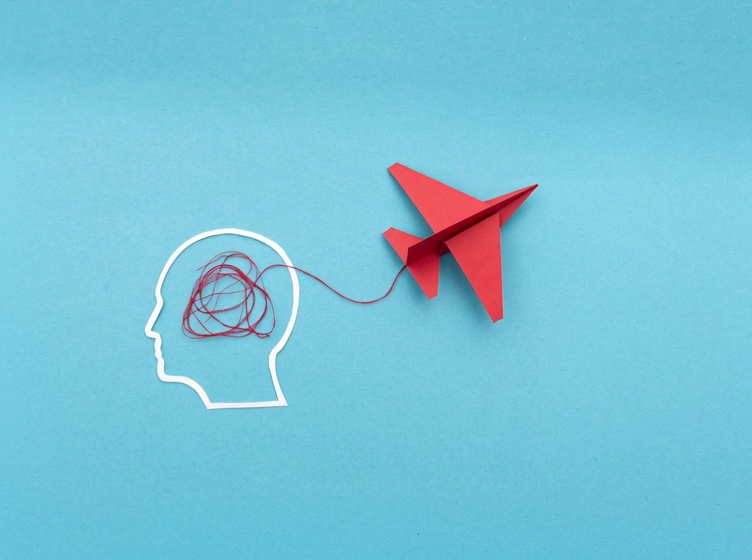
Human factors in aviation refer to the psychological, physiological, and social influences that affect how people interact with aircraft, systems, and each other. It’s a multidisciplinary field that blends:
- Psychology
- Engineering
- Ergonomics
- Organisational science
In essence, human factors ask: How do we design aviation systems that work with human strengths, and guard against human limitations?
Why Human Factors Matter
Despite technological advances, human error remains a leading cause of aviation incidents. According to the Flight Safety Foundation, over 70% of aviation accidents involve human factors. These aren’t just pilot errors, they span the entire aviation ecosystem, from air traffic control to maintenance crews.

Common Human Factor Challenges:
- Fatigue: Long duty hours and circadian disruptions impair judgment and reaction time.
- Stress: High-stakes environments can cloud decision-making.
- Communication breakdowns: Misunderstandings between crew members or between cockpit and control tower can have serious consequences.
- Complacency: Routine familiarity can lead to skipped checks or overlooked anomalies.
The “Dirty Dozen” of Human Error
To tackle these challenges, the aviation industry uses a framework known as the “Dirty Dozen”, 12 common human factor pitfalls that contribute to errors:
- Lack of communication
- Complacency
- Lack of knowledge
- Distraction
- Lack of teamwork
- Fatigue
- Lack of resources
- Pressure
- Lack of assertiveness
- Stress
- Lack of awareness
- Norms (unofficial practices that bypass safety)
This list is a powerful training tool, helping aviation professionals recognise and mitigate risks before they escalate.
Strategies for Safer Skies
The aviation industry has developed robust systems to address human factors:
- Crew Resource Management (CRM)
CRM is a cornerstone of pilot training. It emphasises communication, leadership, decision-making, and teamwork. Originally developed by NASA in the 1970s, CRM has evolved into a global standard for cockpit culture.
- Fatigue Risk Management Systems (FRMS)
FRMS are data-driven approaches that monitor and manage crew fatigue. They go beyond duty-hour limits to consider sleep patterns, circadian rhythms, and operational demands.
- Human-Centred Design
Aircraft cockpits, checklists, and maintenance procedures are increasingly designed with human factors in mind, reducing cognitive load, improving ergonomics, and minimising the chance of error.
- Just Culture
A “Just Culture” encourages individuals to report mistakes or near-misses without fear of punishment. These foster learning and continuous improvement across the organisation.
The Swiss Cheese Model: Understanding How Accidents Happen
One of the most widely used tools in aviation safety is the Swiss Cheese Model, developed by psychologist Professor James Reason. It offers a simple yet powerful way to understand how accidents occur, not through a single failure, but through a series of small, often hidden, weaknesses that align.

How it Works
Imagine several slices of Swiss cheese stacked in a row. Each slice represents a layer of defence in the aviation system, such as training, regulations, maintenance checks, or cockpit procedures. The holes in the cheese represent weaknesses or gaps in those defences. These holes can be caused by:
- Latent conditions: hidden issues like poor design, outdated procedures, or inadequate training
- Active failures: human errors such as miscommunication, incorrect actions, or lapses in attention
When the holes in multiple layers momentarily align, they create a clear path for an accident to occur.
Why it Matters
The Swiss Cheese Model teaches us that:
- Accidents are rarely caused by a single mistake
- Multiple safeguards must work together to prevent failure
- Blame should not fall solely on individuals, but on the system as a whole
This model has shaped how airlines, regulators, and training organisations approach safety. It encourages a proactive mindset, spotting and fixing small issues before they align into something more serious.
Across the Aviation Spectrum
Human factors aren’t just for pilots. They influence every role in aviation:
- Air Traffic Controllers: Must manage high workloads and maintain situational awareness under pressure.
- Maintenance Engineers: Face risks from fatigue, distractions, and time pressure, especially during night shifts.
- Cabin Crew: Balance customer service with emergency preparedness and crew coordination.
- Airport Operations: Require seamless communication and coordination across departments.
The Global Push for Human Factors Integration
Organisations like the International Civil Aviation Organization (ICAO), the European Union Aviation Safety Agency (EASA), and the UK Civil Aviation Authority (CAA) have embedded human factors into regulations, training, and safety management systems.
In the UK, The Air League plays a vital role in promoting aviation education and awareness. By championing human factors, we can inspire a new generation of aviation professionals who are not only technically skilled, but also psychologically prepared.
Final Thoughts
Aviation is a triumph of both technology and humanity. As we look to the future, with autonomous systems, AI, and space tourism on the horizon, human factors will remain a critical compass. Because no matter how advanced our machines become, it’s still people who make aviation fly.